Historically, the human approach to health was fundamentally reactive. Medical practitioners waited for illness to strike before attempting to cure it. This paradigm meant that average life expectancy remained remarkably low, with infectious diseases and untreated chronic conditions claiming countless lives prematurely. The transformation of this grim reality did not stem solely from better surgical techniques or novel pharmaceuticals designed to treat late-stage diseases. Instead, the most profound leap in human longevity emerged from a conceptual revolution. Medical science began to focus on stopping diseases before they could take hold. This evolution from a treatment-centric model to a preventative one has profoundly rewritten the trajectory of the human lifespan.
The shift from reactive to proactive care
Preventative medicine represents a fundamental shift in healthcare philosophy, prioritising the maintenance of wellness over the management of illness. This proactive discipline encompasses a wide array of strategies, including widespread immunisation programmes, routine health screenings, and comprehensive public health education. By identifying risk factors and intervening early, medical professionals can alter the course of a patient's health trajectory. The impact of these interventions is evident in demographic data worldwide, showing a steady climb in life expectancy throughout the twentieth and twenty-first centuries. Rather than merely extending the final years of life, preventative strategies have succeeded in prolonging the period of robust health, often referred to by practitioners as the human healthspan.
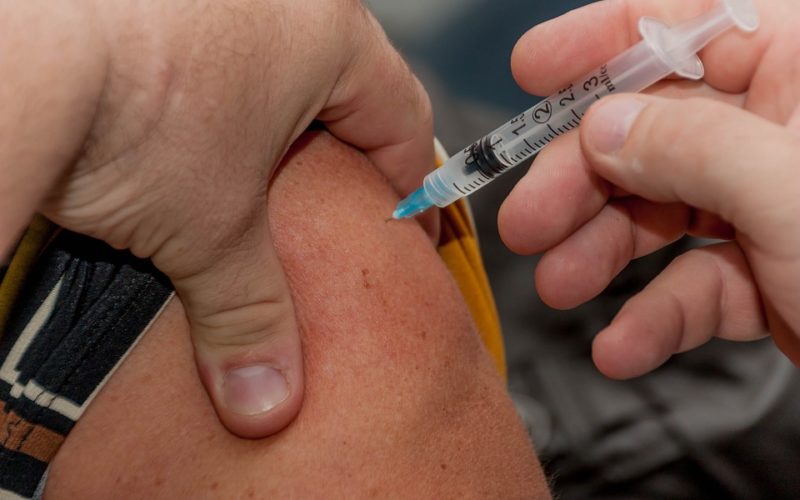
A cornerstone of this preventative triumph is the development and global distribution of vaccines. Before widespread immunisation, diseases such as polio, measles, and smallpox decimated populations and caused severe long-term disabilities. The systematic deployment of vaccines eradicated smallpox entirely and pushed several other infectious diseases to the brink of extinction. This single facet of preventative care has saved hundreds of millions of lives and added decades to the global average life expectancy. The success of immunisation programmes demonstrated the immense power of population-level preventative measures, proving that coordinated efforts could effectively dismantle historical threats to human survival.
Screening and early detection
Beyond infectious diseases, preventative medicine has revolutionised the management of chronic and non-communicable conditions through early detection. Routine screenings for cardiovascular risk factors, such as high blood pressure and elevated cholesterol, allow for medical interventions long before a catastrophic event like a heart attack occurs. Similarly, oncological screening programmes, including mammograms and cervical smears, identify cellular abnormalities before they develop into advanced, untreatable cancers. Finding these threats in their infancy drastically improves survival rates and minimises the need for aggressive treatments. Early detection has transformed previously fatal diagnoses into manageable conditions, contributing significantly to the modern lifespan.
Public health initiatives and lifestyle modifications form another critical pillar of preventative medicine. Governments and health organisations have invested heavily in campaigns to reduce tobacco consumption, promote balanced diets, and encourage regular physical activity. Understanding the behavioural determinants of health has empowered individuals to take control of their own longevity. The decline in smoking rates across many developed nations, for instance, has led to a corresponding drop in lung cancer and respiratory diseases. These lifestyle-focused preventative measures highlight that everyday choices, guided by sound medical advice, are crucial to extending human life.
Looking towards a healthier future
As we look ahead, the scope of preventative medicine continues to expand, driven by advancements in genetics and personalised healthcare. The integration of genomic sequencing allows clinicians to identify inherited predispositions to specific diseases, enabling highly targeted preventative strategies tailored to the individual. While the challenges of healthcare access and emerging global health threats remain, the foundation built by preventative care provides a robust framework for future triumphs. The historical shift from waiting for illness to actively cultivating wellness remains one of the most significant medical achievements in human history, ensuring that subsequent generations can look forward to longer, healthier, and more vibrant lives.