For most of human history, the great killers were infections: cholera, tuberculosis, influenza and the like. Vaccines, antibiotics and clean water largely tamed them, yet we have not become a healthy species as a result. Instead, the burden of illness has shifted to conditions we largely create ourselves — type 2 diabetes, heart disease, obesity and some cancers — driven by how we eat, move, sleep and cope with stress. These so-called lifestyle diseases now account for the majority of deaths worldwide, and unlike the old plagues, no pill can cure them outright. That is precisely why prevention has never mattered more.
How illness has changed in a generation
Our grandparents typically fell ill quickly and either recovered or did not. Today's conditions behave differently: they develop silently over decades, often showing no symptoms until serious damage is done. Raised blood pressure, high cholesterol and elevated blood sugar can quietly harm arteries and organs for twenty years before the first crisis arrives. Modern life accelerates the process, with desk-bound jobs, ultra-processed food, chronic stress and shortened sleep all nudging our biology in the wrong direction. The illnesses may be modern, but the fix is often refreshingly old-fashioned.
The true cost of waiting for symptoms
Treating established disease is expensive, disruptive and rarely restores full health. A heart attack survivor may face a lifetime of medication and reduced capacity; advanced diabetes can mean sight loss, nerve damage and amputation. Health services feel the strain too, which is why the NHS increasingly invests in prevention programmes rather than simply expanding treatment. For individuals, the arithmetic is stark: the effort of preventing a condition is almost always a fraction of the effort of living with one.
Small habits with an outsized effect
The encouraging news is that prevention does not demand a monastic existence. Research consistently shows that a handful of habits deliver most of the benefit: not smoking, keeping active for around thirty minutes a day, eating a diet built on vegetables, whole grains and lean protein, moderating alcohol, sleeping seven to nine hours and managing stress. People who maintain even four of these behaviours dramatically reduce their risk of heart disease, stroke, type 2 diabetes and several cancers. None requires a gym membership or a specialist — just consistency.
Screening and check-ups catch problems early
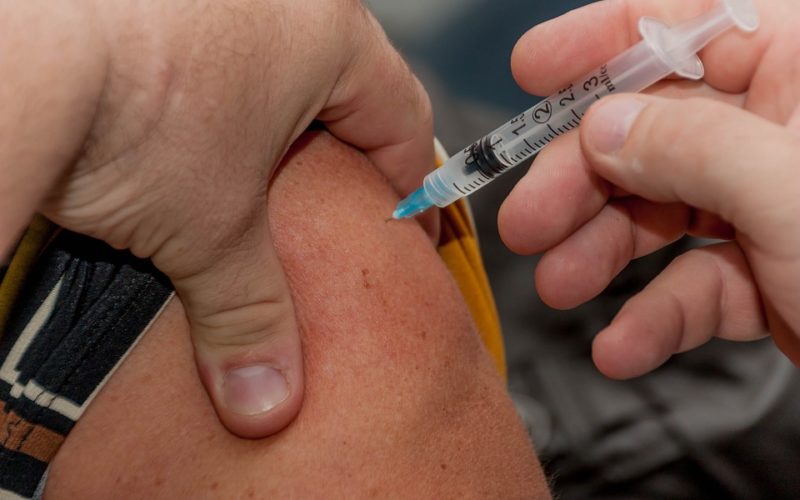
Prevention also means finding trouble before it finds you. Free NHS health checks for the over-forties, blood pressure and cholesterol tests, cervical, breast and bowel cancer screening, and routine dental and eye examinations all exist to detect problems at the stage when they are easiest to treat. Booking these appointments when invited, rather than filing the letter away, is one of the simplest preventative acts available. Keeping vaccinations up to date, including flu and shingles jabs in later life, belongs on the same list.
Prevention is not about perfection
It is easy to hear all this as a demand for flawless living, but that misses the point. Prevention is cumulative: every walk taken, every vegetable eaten and every good night's sleep adds a small deposit to your long-term health account. Occasional lapses withdraw very little. The goal is a sustainable pattern you can hold for decades, not a punishing regime abandoned by February.
The age of lifestyle disease has an unusual silver lining: for the first time, the most powerful medicine is genuinely in our own hands. Waiting for a cure means gambling on treatments that are costly, imperfect and late. Acting early — through daily habits, routine screening and honest conversations with your GP — stacks the odds firmly in your favour. Prevention is not merely better than cure; in the modern world, it is very often the only cure on offer.